

14 May The Role of a Foot Surgeon in Corrective Procedures for Bunions
Bunions develop as a progressive bone deformity at the base of the big toe. This structural issue alters the biomechanics of the foot, and it creates a prominent bump on the inner joint. The joint gradually moves out of alignment as the condition worsens over time. Patients experience joint stiffness, and the surrounding tissue becomes swollen. Here is more information about bunions and the surgery that a foot surgeon can perform to correct the condition:
Exploring Bunion Causes
Genetics plays a role in bunion formation, and faulty foot mechanics exacerbate the problem. A foot surgeon can identify the specific biomechanical flaws that are causing your symptoms. Inherited foot types predispose certain individuals to this structural instability. Narrow shoes squeeze the toes together, so this footwear accelerates the progression of the deformity. Arthritis can also degrade the joint capsule.
The negative effects of bunions extend beyond simple cosmetic concerns. The protruding bone causes friction against shoes, and this rubbing leads to painful calluses. Severe joint misalignment may make walking difficult. When inflammation damages the cartilage over time, it may cause long-term immobility.
Understanding Surgical Corrections
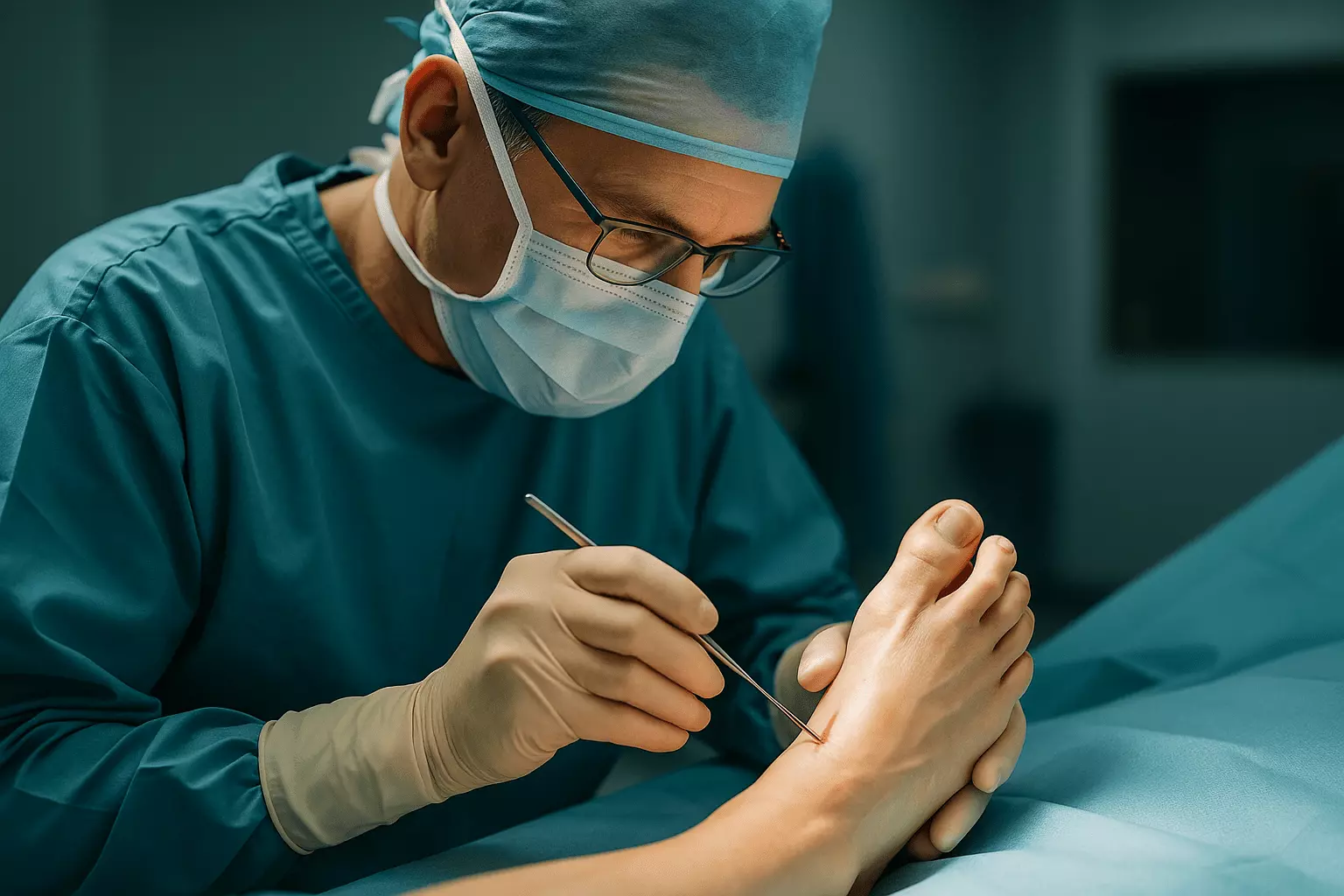
Surgical procedures realign the affected bone structure. Surgeons perform osteotomy to cut and reposition the bone, and they secure the new alignment with specialized hardware. This intervention restores normal joint function. The procedure removes the prominent bony bump, relieving pressure on the surrounding nerves. Patients may regain their mobility after they complete the necessary rehabilitation protocols.
Identifying Suitable Candidates
Medical professionals evaluate patients thoroughly before recommending surgical intervention. Chronic pain that limits daily activities serves as one indicator for surgery. Non-surgical treatments like custom orthotics do not achieve sufficient relief in these severe cases. The patient must have realistic expectations about the recovery timeline, and they must follow all postoperative instructions.
Below is a list of stretches and exercises commonly recommended during the rehabilitation process:
- Toe Flexion and Extension Exercises: These involve gently bending and straightening the toes to restore range of motion.
- Towel Scrunches: Using a small towel on the floor, patients practice gripping and pulling the towel with their toes to strengthen the foot muscles.
- Ankle Circles: Rotating the ankle in circular motions helps improve flexibility and promote circulation in the foot.
- Calf Stretches: Performed by using a wall or resistance band, these stretches target the Achilles tendon and the muscles in the lower leg for improved flexibility.
- Foot Roll with a Ball: Rolling the sole of the foot over a small ball can relieve tension and support arch recovery.
These exercises should be performed under the guidance of a licensed physical therapist, as every patient’s recovery plan is unique.
Preventing Future Bunions
Wearing appropriate footwear helps to reduce the strain on your toes, and this choice preserves joint health. You should look for shoes with wide toe boxes. You can protect your feet by following these guidelines:
- Avoid wearing high heels for extended periods.
- Select shoes with proper arch support.
- Utilize protective padding over vulnerable areas.
- Perform stretching exercises to maintain joint flexibility.
Find a Foot Surgeon Today
Bunions cause significant pain, and they disrupt basic daily functions. Surgical correction offers a viable solution for severe deformities. Specialized procedures restore joint mechanics while eliminating the painful bone protrusion. If you want to learn more about treatment for bunions, consult a foot surgeon near you.
Sorry, the comment form is closed at this time.