

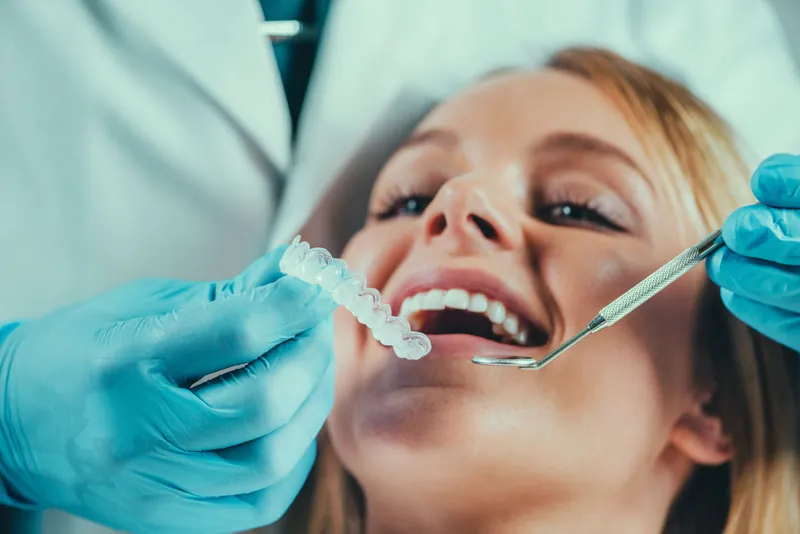
14 May Exploring the Benefits of Cosmetic Dentistry
Cosmetic dentistry covers dental treatments that change the look of teeth, gums, and bite. Some procedures also support daily function, and many focus on visible flaws. As treatment goals vary, dentists typically review both appearance and oral health before they start. Here is more information on the benefits of cosmetic dentistry:
Easier Maintenance
Smooth, even tooth surfaces often make daily cleaning more direct. Rough edges trap debris, and crowded areas collect plaque. When treatment reduces those problem spots, brushing and flossing may feel simpler.
Small shape changes may also help patients reach tight spaces, and polished materials may resist stain buildup better than worn enamel. Since cosmetic dentistry work needs routine upkeep, your dentist may suggest cleanings, night guards, or specific tools. Regular check-ups with your dentist make sure that any minor issues with cosmetic work are addressed early, maintaining both function and appearance.
Whitened Teeth
Tooth color changes over time, and food, drinks, tobacco, and age all play a role. Whitening targets surface stains. When a dentist examines your teeth first, you get a clearer view of what whitening may address.
Professional whitening uses stronger agents than store products, but treatment methods differ by case. In-office visits work fast, and take-home trays allow slower changes. Since crowns and fillings do not lighten the same way, a dentist may discuss shade limits before treatment.
Some patients ask for whitening before other cosmetic work, and that order may help with shade matching. Veneers, bonding, and crowns depend on color planning. If your teeth have deep internal stains, whitening may not change them much.
Improved Bite
A balanced bite affects how upper and lower teeth meet. Uneven contact may lead to tooth wear, jaw strain, and pressure on certain teeth. Since cosmetic treatment may reshape or rebuild tooth surfaces, a bite review typically takes place early.
Typical bite-related goals include:
- Smoother tooth contact
- Less uneven wear
- Better spacing for cleaning
Bonding, veneers, crowns, and aligners may change tooth shape or position, and each option fits a different issue. Some cases need small adjustments. When a dentist maps your bite, the plan often includes both appearance and function.
Replaced Missing Teeth
Missing teeth change your smile, and they also affect speech and chewing. A gap may allow nearby teeth to drift. Since movement changes spacing over time, early treatment planning helps define the best options.
Cosmetic dentistry may include implants, bridges, or partial dentures for missing teeth, and each choice works in a different way. Implants sit in the jaw. If bone levels, gum health, or budget limit one option, another treatment may fit better.
A dentist may review several factors before replacing a tooth, and those details shape the final plan. These may include:
- Bone support
- Gum condition
- Tooth position
- Bite forces
Schedule Cosmetic Dentistry Services
Cosmetic dentistry includes several treatment types, and each one addresses a different concern. Your dentist can review tooth color, bite, spacing, and missing teeth during an exam. If you want to explore your options, schedule a cosmetic dentistry consultation today.
Sorry, the comment form is closed at this time.