

10 Apr Integrative Techniques for Long-Term Sciatica Pain Relief
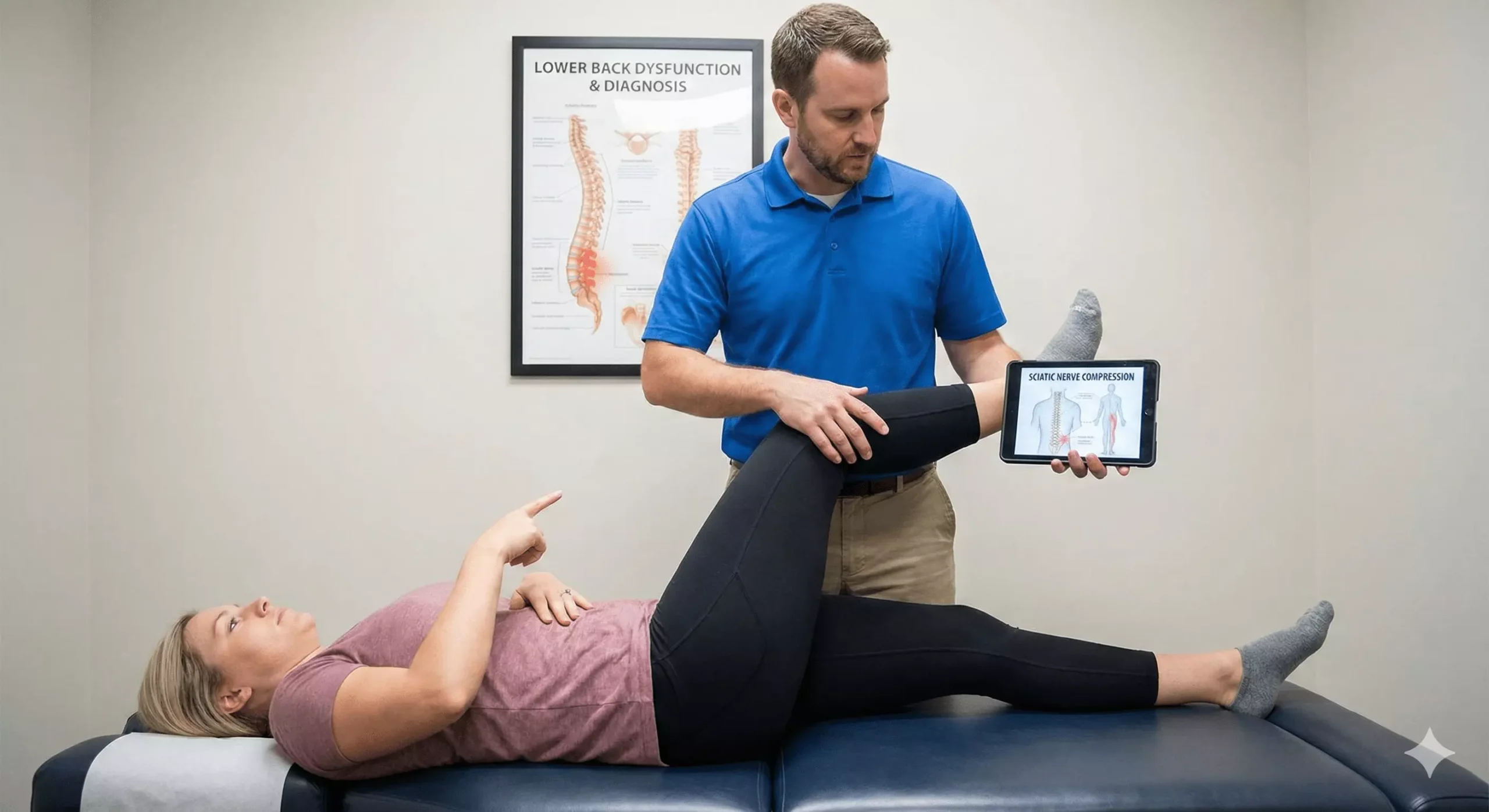
Sciatica represents a specific type of nerve discomfort that can disrupt daily physical activities and limit overall mobility. Addressing this condition usually involves a combination of thorough medical assessment and targeted therapies. Integrative techniques offer a comprehensive approach to managing symptoms, focusing on long-term sciatica pain relief rather than temporary fixes.
What Is Sciatica?
The sciatic nerve is a thick bundle of nerve fibers that originates in the lower lumbar region of the spine. It extends through the pelvis, hips, and buttocks, continuing down the back of each leg to the feet. Sciatica occurs when this specific nerve experiences irritation or compression. In the majority of instances, this condition affects only one side of the body at a time.
Symptoms associated with sciatic nerve irritation vary significantly from person to person. Some individuals report a mild, dull ache, while others describe a sharp, burning sensation. Other common indicators include numbness, a tingling sensation, or localized muscle weakness in the affected leg or foot. Certain physical actions may aggravate the discomfort, such as prolonged periods of sitting or sneezing.
What Causes It?
Nerve compression or inflammation typically serves as the primary catalyst for sciatic pain, and various structural changes or injuries within the spinal column can initiate this nerve irritation. A herniated disc develops when the soft, gel-like center of a disc pushes through a tear in its tougher exterior casing. This protruding material presses directly against the adjacent sciatic nerve roots, causing immediate irritation and subsequent pain signals.
Spinal discs naturally undergo wear and tear as people age. Rapid deterioration of these protective cushions reduces the space between vertebrae, leading to sciatic nerve compression. External injuries from falls, vehicular accidents, or sports-related impacts can subject the spine to sudden force. Such trauma fractures bones, dislodges discs, or causes severe internal inflammation, all of which may compress the surrounding nerve tissues and generate ongoing discomfort.
What Provides Sciatica Pain Relief?
Medical professionals utilize various therapeutic approaches to address nerve compression and provide sciatica pain relief. Doctors often recommend a combination of treatments tailored to the specific origin of the pain. Targeted physical rehabilitation focuses on the musculoskeletal system to relieve pressure on the sciatic nerve. Therapists guide patients through specific stretching routines and strengthening exercises. Over time, physical therapy helps correct the structural imbalances that contribute to nerve compression.
Advancements in medical technology have introduced regenerative treatments designed to promote natural healing processes within the body. Platelet-rich plasma therapy stands out as a possible option for chronic nerve pain. During this procedure, a concentrated volume of the patient’s own platelets is injected into the damaged tissue area. This releases growth factors that assist in repairing injured tissues and reducing local inflammation around the nerve.
Seek Professional Pain Management Care
Navigating chronic nerve pain requires accurate diagnosis and specialized medical guidance. Some instances of sciatic irritation resolve independently, but persistent or worsening symptoms warrant a thorough medical evaluation. Physicians specializing in interventional pain medicine possess the expertise required to identify the exact cause of the compression. Through detailed physical examinations and advanced imaging techniques, doctors can construct a customized care plan.
Sorry, the comment form is closed at this time.