

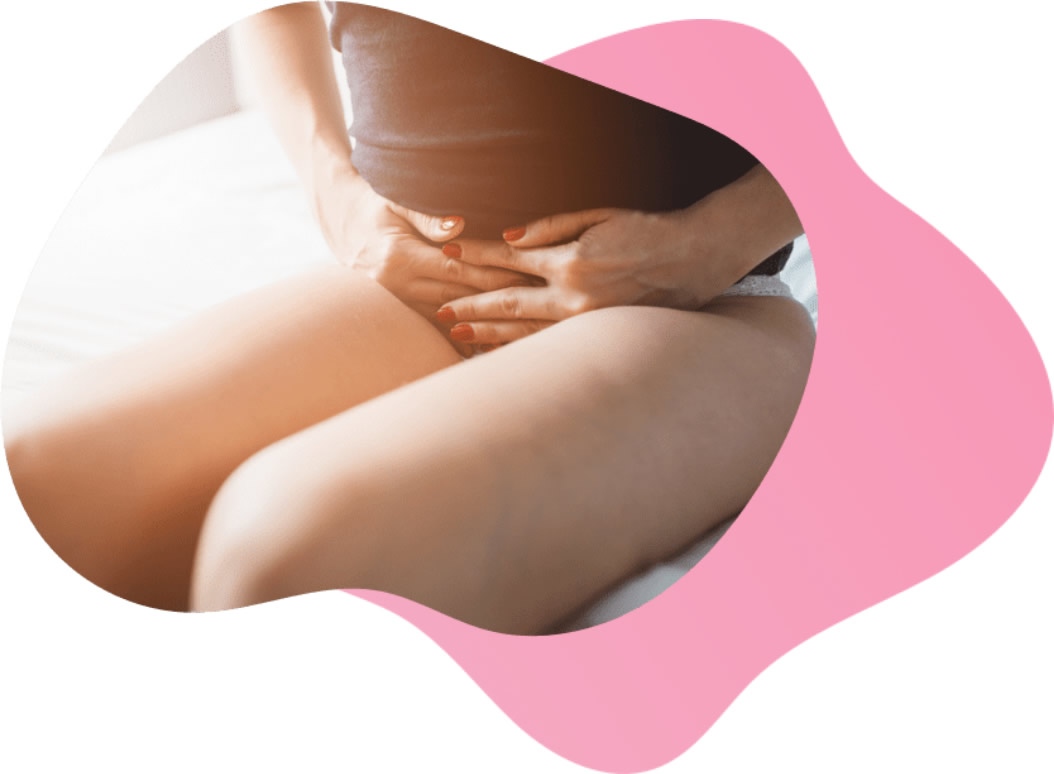
08 Apr What Women Should Know About Menstrual Health
Women need regular medical care to maintain their overall wellness, and this occurs throughout different stages of their adulthood. Because female bodies undergo constant physical changes, they require specific attention from trained health professionals regularly. You learn about your reproductive system, and you monitor your physical health over the passing years. Here is more information on menstrual health for women’s health:
Tracking Cycles
Cycle tracking records bleeding days accurately, and it notes specific bodily changes during the entire month. As you gather this personal data, distinct biological patterns emerge over a few months. You log your exact start dates and end dates on a dedicated calendar every single month. Recognizing these consistent patterns may help to reduce concerns about unexpected timing during your daily routine.
Consistent logging reveals the exact length of your unique cycle without any guessing. Some women prefer paper calendars, but digital tools track health metrics automatically on smart devices. If you use a digital app, logging your daily symptom details becomes much easier for you. Both tracking methods are useful for most people who want better body awareness.
Identifying Abnormalities
While some variation happens normally, sudden changes signal potential underlying medical issues that require attention. Bleeding disrupts daily life constantly, so you must notice unusually heavy flow quickly. Severe pelvic pain requires an immediate medical visit to a women’s health clinic for evaluation. Doctors investigate these specific symptoms thoroughly to provide proper care for your body.
Daily diet changes may delay your monthly cycles frequently during certain times. Catching these abnormalities early may prevent future complications for your reproductive system. Because missed periods cause significant worry, you evaluate your current situation carefully at home. You write down these strange symptoms, or you schedule an appointment with a medical specialist directly.
When doctors ask about your history, you provide accurate timelines. Accurate data collection enables you to have routine medical appointments with your primary care doctor. This daily practice removes guesswork, and it builds strong medical confidence during clinic visits.
Practicing Hygiene
Unless you maintain these good habits, harmful bacteria may multiply rapidly in sensitive areas. Proper cleanliness aims to prevent bacterial infections during your monthly bleeding phase every single time. Safe daily hygiene protects your delicate reproductive system continuously from outside harm. You wash external areas with mild soap, and you change pads frequently throughout the entire day.
Try these steps:
- Wash your hands thoroughly before changing any feminine products.
- Wear breathable cotton underwear daily for better airflow.
- Avoid heavily scented feminine products completely to prevent irritation.
- Discard used sanitary items immediately in the proper waste bins.
Managing Symptoms
Warm heating pads relieve pelvic cramps, and gentle exercise is performed to reduce uncomfortable abdominal bloating. You drink plenty of fresh water properly throughout the entire day to stay well hydrated. A balanced diet supports your body during this very sensitive time of the month. While pain medication helps significantly, resting in bed provides natural physical relief from strong cramps.
Find Women’s Health Services
Doctors evaluate your specific physical symptoms to diagnose underlying medical conditions properly in a clinical setting. When you face ongoing reproductive issues, medical professionals offer specific diagnostic treatments for your relief. Call a women’s health clinic today to schedule a comprehensive physical exam. You can seek expert advice regularly, and you may protect your reproductive health for the future.
Sorry, the comment form is closed at this time.