

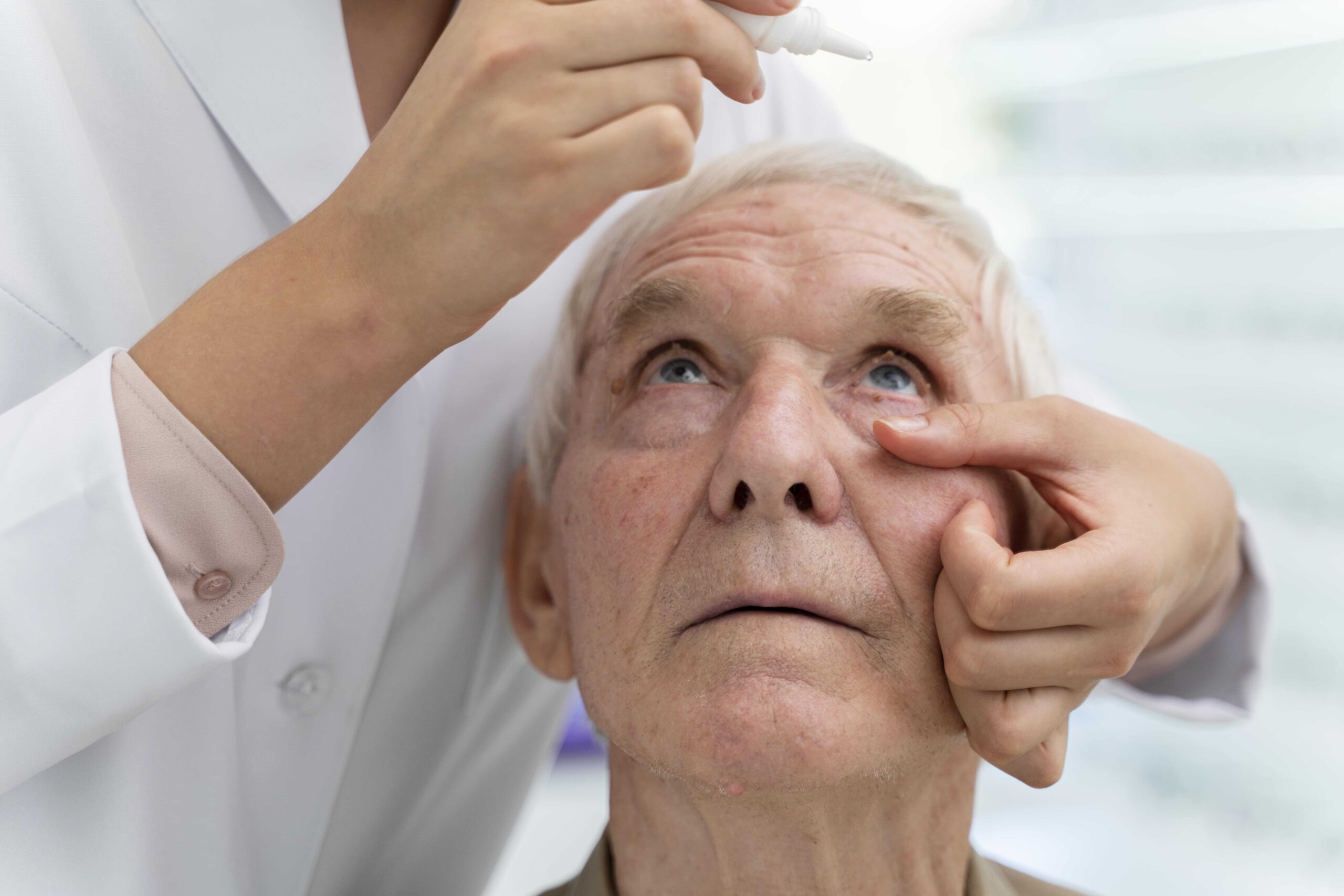
22 Dec The Role of Eye Doctors in Managing Chronic Eye Diseases
Living with a chronic eye disease means adapting to ongoing changes in your vision and eye health. Many of these conditions develop over time, and they require ongoing support to preserve vision, minimize symptoms, and prevent complications. An eye doctor helps you manage your condition and protect your long-term vision, whether you need prescription treatments or surgical interventions. Here’s how these professionals support individuals with chronic eye conditions:
Providing Regular, Long-Term Monitoring
Chronic eye diseases require timely and attentive monitoring. Your eye doctor utilizes specialized tools and knowledge to identify subtle changes in your eyes; these include shifts you might miss yourself. At an eye exam appointment, you’ll experience a series of examinations. The doctor measures your eye pressure, assesses the optic nerve’s condition, and evaluates the health of your retina.
Continuous monitoring and documentation create a valuable timeline of your eye health. It gives your eye doctor a clear picture of how your condition is progressing, and it reveals any new developments early. This proactive approach is fundamental to effective management, giving you and your care team the details needed to make informed decisions.
Explaining Your Diagnosis and Treatment
Facing a chronic eye disease may leave you with questions about treatment options and beneficial lifestyle changes. Your eye doctor serves as a guide and teacher, and they provide clear explanations about your diagnosis and long-term outlook. You can learn how the disease affects your eyes and what changes you should make to improve your daily life. Eye specialists offer various care options, and these range from glasses and medications to advanced laser surgery. Your doctor can explain the purpose behind any recommended medications, as well as how daily habits, like nutrition and screen time, relate to your condition.
Developing a Personalized Care Plan
Eye doctors create care strategies that are tailored to your health needs, lifestyle, and preferences. They also adapt these plans as changes arise in your chronic condition. Possible treatment options include:
- Prescription eye drops or medications
- Corrective lenses, such as glasses or contact lenses
- Allergy shots
- Surgical procedures
Your doctor may adjust your plan after routine exams; this sometimes involves modifying a prescription, suggesting new adaptive devices, or recommending helpful nutritional shifts. Personalized care provides ongoing support that aligns with your evolving needs. It can address various conditions, including glaucoma, macular degeneration, diabetic retinopathy, and other chronic eye conditions.
Collaborating With Other Healthcare Professionals
Eye health is connected to overall health. Conditions such as diabetes and high blood pressure have a significant impact on your eyes. Eye specialists sometimes work as part of a broader healthcare team; they may share information with your primary care doctor and other specialists to provide coordinated care.
Visit an Eye Doctor for Support
Managing a chronic eye disease requires ongoing guidance, and regular eye appointments provide professional monitoring while addressing new challenges as they arise. Your eye doctor offers fundamental support for adapting and thriving with a chronic eye condition. They can also provide resources such as low-vision aids to simplify daily tasks. Contact an eye specialist today to schedule an appointment and discuss your care plan.
Sorry, the comment form is closed at this time.