

17 Dec 4 Remedies for Bunions
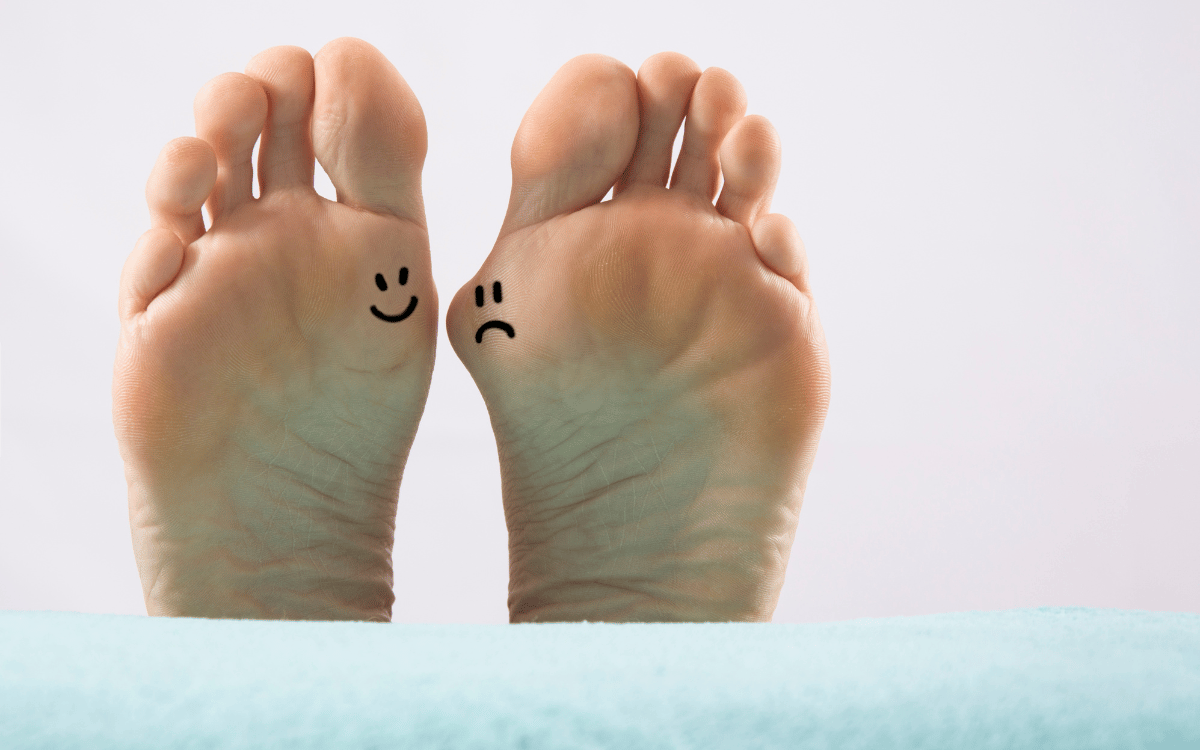
A bunion changes the shape of your foot. It creates a bony bump at the base of the big toe, and this can make walking or wearing shoes uncomfortable. While bunions progress over time, managing daily discomfort becomes a key focus. Making simple, non-invasive adjustments to your routine can improve comfort, function, and overall foot health. Here are four ways to help manage bunions:
1. Selecting Proper Footwear
The shoes you wear play a fundamental role in how a bunion feels throughout the day. Footwear that is too tight or narrow applies pressure to the bump; this can increase friction and tenderness. Shifting your shoe choices is often an initial step toward relief.
Look for shoes with a wide, deep toe box. This design gives your toes space to spread out naturally rather than being squeezed together. Materials play a key part as well; soft leather or canvas offers stretch and molds to the shape of your foot. Patent leather or similar synthetic materials may be too rigid for comfort.
It’s also helpful to avoid high heels when possible. These shoes shift your body weight forward onto the toes, and this can add pressure to the affected joint. Choosing shoes with a lower heel is a fundamental way to distribute your weight more evenly across the entire foot.
2. Using Protective Padding and Taping
Direct friction against the bunion is a common source of irritation. Protective padding acts as a buffer between the sensitive area and your shoe, helping to reduce rubbing. Bunion pads come in various materials, such as felt, gel, or moleskin. Some are designed to fit around the bump like a donut; this creates a space that keeps the shoe from pressing directly on the tender spot.
Another option is taping or splinting. Medical tape can be applied in specific patterns, and this helps keep the big toe in a straighter position. While this does not change the underlying bone structure, it aligns the toe temporarily, potentially reducing stress on the joint while you move. You may also contemplate using toe spacers or separators. These are designed to sit between the big toe and the second toe, which helps prevent them from overlapping.
3. Practicing Specific Foot Exercises
Keeping your feet strong and flexible is a beneficial strategy. Foot exercises might not make a bunion disappear, but they support key mobility in the joint. They also strengthen muscles that help maintain your foot’s arch. You may use your hands to gently pull your big toe into better alignment and hold it there for several seconds, stretching the tight soft tissues. Work with a foot and ankle specialist to personalize your foot exercises to your unique situation.
4. Applying Soothing Foot Therapies
After a long day, your feet may become tired or throb from standing and walking. Incorporate simple, soothing therapies to promote relief and soothe your bunions. Wrapping an ice pack in a thin cloth and applying it to the bunion for several minutes is a key approach, especially if the area feels warm or swollen.
Treat Your Bunions
If discomfort persists despite adjustments or the bunion significantly affects daily activities, consult a foot specialist or podiatrist. A professional provides a thorough evaluation, and they offer tailored, targeted strategies such as nighttime splints or custom orthotics. Taking these proactive steps can help you stay active and maintain comfort during daily tasks. Treat your bunions today by working with a foot and ankle specialist.
No Comments